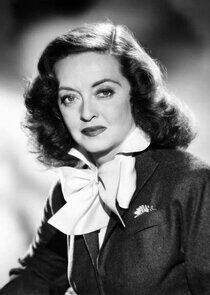
Bette Davis
CountryUnited States 
GenderFemale
BirthdayApr 5, 1908
Death1989-10-06
BiographyRuth Elizabeth "Bette" Davis (April 5, 1908 – October 6, 1989) was an American actress of film, television, and theater. Regarded as one of the greatest actresses in Hollywood history, she was noted for her willingness to play unsympathetic, sardonic characters and was known for her performances in a range of film genres, from contemporary crime melodramas to historical and period films and occasional comedies, although her greatest successes were her roles in romantic dramas. She won the Academy Award for Best Actress twice, was the first person to accrue ten Academy Award nominations (and one write-in) for acting, and was the first woman to receive a Lifetime Achievement Award from the American Film Institute.
After appearing in Broadway plays, Davis moved to Hollywood in 1930, but her early films for Universal Studios were unsuccessful. She joined Warner Bros. in 1932 and had her critical breakthrough playing a vulgar waitress in Of Human Bondage (1934). Contentiously, she was not among the three nominees for the Academy Award for Best Actress that year, and she won it the following year for her performance in Dangerous (1935). In 1936, due to poor film offers, she attempted to free herself from her contract, and although she lost a well-publicized legal case, it marked the beginning of the most successful period of her career. Until the late 1940s, she was one of American cinema's most celebrated leading ladies. She was praised for her role in Marked Woman (1937) and won a second Academy Award for her portrayal of a strong-willed 1850s Southern belle in Jezebel (1938), the first of five consecutive years in which she received a Best Actress nomination; the others for Dark Victory (1939), The Letter (1940), The Little Foxes (1941), and Now, Voyager (1942).
A period of decline in the late 1940s was redeemed with her role as a fading Broadway star in All About Eve (1950), which has often been cited as her best performance. She received Best Actress nominations for this film and for The Star (1952), but her career struggled over the rest of the decade. Her last nomination came for her role as the psychotic former child star Jane Hudson in the psychological horror film What Ever Happened to Baby Jane? (1962). In the latter stage of her career, Davis played character parts in films like Death on the Nile (1978) and shifted her focus to roles in television. She led the miniseries The Dark Secret of Harvest Home (1978), won an Emmy Award for Strangers: The Story of a Mother and Daughter (1979), and was nominated for her performances in White Mama (1980) and Little Gloria... Happy at Last (1982). Her last complete cinematic part was in the drama The Whales of August (1987).
Davis was known for her forceful and intense style of acting and her physical transformations. She gained a reputation as a perfectionist who could be highly combative, and confrontations with studio executives, film directors, and co-stars were often reported. Her forthright manner, clipped vocal style, and ubiquitous cigarette contributed to a public persona which has often been imitated. Davis was the co-founder of the Hollywood Canteen, and was the first female president of the Academy of Motion Picture Arts and Sciences. Her career went through several periods of eclipse, and she admitted that her success had often been at the expense of her personal relationships. Married four times, she was once widowed and three times divorced, and raised her children as a single parent. Her final years were marred by a long period of ill health, but she continued acting until shortly before her death from breast cancer, with more than 100 film, television, and theater roles to her credit. In 1999, Davis was placed second on the American Film Institute's list of the greatest female stars of classic Hollywood cinema, behind Katharine Hepburn.
Biography from the Wikipedia article Bette Davis. Licensed under CC-BY-SA. Full list of contributors on Wikipedia.
After appearing in Broadway plays, Davis moved to Hollywood in 1930, but her early films for Universal Studios were unsuccessful. She joined Warner Bros. in 1932 and had her critical breakthrough playing a vulgar waitress in Of Human Bondage (1934). Contentiously, she was not among the three nominees for the Academy Award for Best Actress that year, and she won it the following year for her performance in Dangerous (1935). In 1936, due to poor film offers, she attempted to free herself from her contract, and although she lost a well-publicized legal case, it marked the beginning of the most successful period of her career. Until the late 1940s, she was one of American cinema's most celebrated leading ladies. She was praised for her role in Marked Woman (1937) and won a second Academy Award for her portrayal of a strong-willed 1850s Southern belle in Jezebel (1938), the first of five consecutive years in which she received a Best Actress nomination; the others for Dark Victory (1939), The Letter (1940), The Little Foxes (1941), and Now, Voyager (1942).
A period of decline in the late 1940s was redeemed with her role as a fading Broadway star in All About Eve (1950), which has often been cited as her best performance. She received Best Actress nominations for this film and for The Star (1952), but her career struggled over the rest of the decade. Her last nomination came for her role as the psychotic former child star Jane Hudson in the psychological horror film What Ever Happened to Baby Jane? (1962). In the latter stage of her career, Davis played character parts in films like Death on the Nile (1978) and shifted her focus to roles in television. She led the miniseries The Dark Secret of Harvest Home (1978), won an Emmy Award for Strangers: The Story of a Mother and Daughter (1979), and was nominated for her performances in White Mama (1980) and Little Gloria... Happy at Last (1982). Her last complete cinematic part was in the drama The Whales of August (1987).
Davis was known for her forceful and intense style of acting and her physical transformations. She gained a reputation as a perfectionist who could be highly combative, and confrontations with studio executives, film directors, and co-stars were often reported. Her forthright manner, clipped vocal style, and ubiquitous cigarette contributed to a public persona which has often been imitated. Davis was the co-founder of the Hollywood Canteen, and was the first female president of the Academy of Motion Picture Arts and Sciences. Her career went through several periods of eclipse, and she admitted that her success had often been at the expense of her personal relationships. Married four times, she was once widowed and three times divorced, and raised her children as a single parent. Her final years were marred by a long period of ill health, but she continued acting until shortly before her death from breast cancer, with more than 100 film, television, and theater roles to her credit. In 1999, Davis was placed second on the American Film Institute's list of the greatest female stars of classic Hollywood cinema, behind Katharine Hepburn.
Biography from the Wikipedia article Bette Davis. Licensed under CC-BY-SA. Full list of contributors on Wikipedia.
Known For
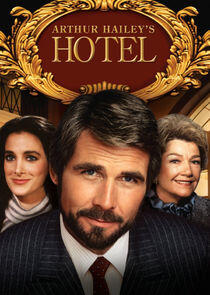
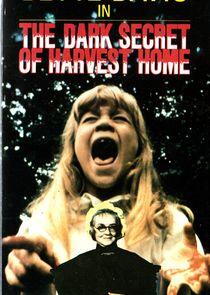
Part of Crew
Recently Updated Shows
Recently updated shows that might be of your interest.


